Rent is usually the biggest monthly decision you’ll make when relocating, and Huntsville is one of those cities where the neighborhood choice changes the rent number fast. Not just because of “nice vs not nice,” but because convenience, commute, and newer construction push pricing in predictable ways.
This guide breaks down rent in Huntsville AL by area in 2026 with realistic planning ranges, plus what to watch for in leases, fees, and move-in timing. If you want the main relocation hub for the project, start here: Moving to Huntsville.
If you’re planning to move, understanding rent is just one part of the process.
To avoid overpaying, you can request free moving quotes here
What “average rent” means in Huntsville in 2026
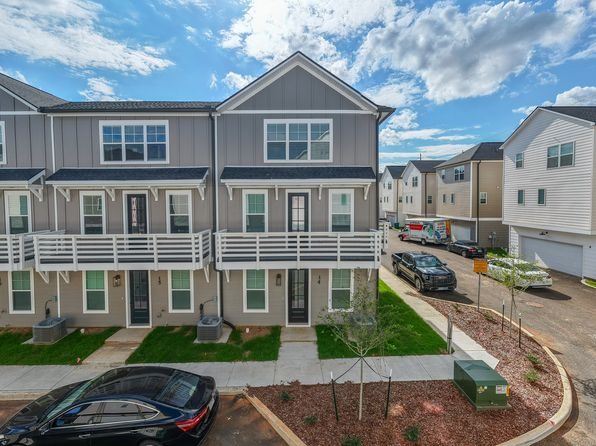
Rent is just one part of the bigger picture. You can see a full breakdown of utilities, groceries, and everyday expenses in our detailed Cost of Living in Huntsville guide.
When people quote a single “average rent,” it often mixes together very different homes: older apartments, new build communities, townhomes, and single-family rentals. In Huntsville, that blend can make averages misleading.
A more useful approach is:
- Compare rent within the same home type (apartment vs townhome vs single-family)
- Compare rent within the same convenience tier (central, commute-friendly, or farther out)
- Plan for a range, not a single number
Also, Huntsville rent is often shaped by three drivers:
newer construction, location convenience, and how “plug-and-play” the community feels for newcomers.
Rent ranges by neighborhood and area (2026 planning guide)
These ranges are intended for budgeting and comparison. Exact pricing shifts throughout the year and varies by property age, finishes, and included amenities. Think of these as “most likely” lanes, not guarantees.
If you’re still comparing areas, our guide to the best neighborhoods in Huntsville breaks down which parts of the city fit different lifestyles and commute patterns.
Downtown Huntsville and nearby pockets
Downtown and downtown-adjacent areas tend to price higher per square foot because you’re paying for convenience and lifestyle.
Typical 2026 rent planning ranges:
- 1-bedroom apartments: $1,200 to $1,650
- 2-bedroom apartments: $1,500 to $2,100
- Small homes or townhomes nearby: often $1,800 to $2,600+
Why rent runs higher here:
- Quick access to dining, events, and the city’s “walk-around” vibe
- Strong demand from professionals and newcomers
- Newer renovated units and modern finishes
If you want a neighborhood that makes Huntsville feel familiar quickly, this area often does it. A simple local touch: many residents end up doing casual weekend resets around Big Spring Park, and living nearby makes that kind of routine easy instead of a special trip.
LSIs you’ll see connected to this area include Downtown Huntsville apartments, walkable areas in Huntsville, and luxury rentals in Huntsville.
After securing your apartment, the next step is organizing your move. Compare local moving quotes in Huntsville before confirming your relocation date.
Five Points
Five Points is often recommended for character and proximity to central Huntsville without being purely “downtown living.” It can feel more local and residential depending on the street.
Typical 2026 rent planning ranges:
- 1-bedroom apartments or duplex units: $1,050 to $1,450
- 2-bedroom units: $1,300 to $1,850
- Small homes: often $1,700 to $2,400
Why it’s popular:
- Close-in convenience
- Older homes and duplexes with more personality
- A neighborhood feel that doesn’t read like a new development brochure
This area is a good example of why average rent in Huntsville can be misleading. You might see a wide spread here because the housing stock varies a lot.

West Huntsville and the Research Park direction
This is a practical zone for many newcomers who want easier weekday logistics, especially if work is tied to west-side corridors.
Typical 2026 rent planning ranges:
- 1-bedroom apartments: $1,100 to $1,550
- 2-bedroom apartments: $1,350 to $1,950
- Townhomes: often $1,600 to $2,300
Why it works:
- Commute-friendly for many job clusters
- Lots of newer apartment inventory
- Easy access to day-to-day errands
If you’re trying to reduce stress quickly, living in a place that makes weekdays smoother can be worth more than chasing the lowest rent number.
Relevant LSIs here include Huntsville apartment communities, commute-friendly neighborhoods, and rent near Research Park.
Rental prices vary by area, and safety can also differ. See our guide to the safest neighborhoods in Huntsville.
Providence and nearby planned communities
Providence often comes up because it feels organized and easy. For newcomers, that matters.
Typical 2026 rent planning ranges:
- 1-bedroom apartments: $1,200 to $1,700
- 2-bedroom apartments: $1,500 to $2,200
- Townhomes: often $1,900 to $2,800
Why it prices higher:
- A polished, planned-community feel
- Newer construction and amenity packages
- Demand from residents who want convenience and a “ready-made” neighborhood experience
If you want something that feels predictable and straightforward during a move, Providence can be attractive even if it costs more than older inventory.
South Huntsville
South Huntsville is broad, and rent varies based on how close you are to major routes, shopping corridors, and newer communities.
Typical 2026 rent planning ranges:
- 1-bedroom apartments: $1,050 to $1,450
- 2-bedroom apartments: $1,250 to $1,800
- Single-family rentals: often $1,800 to $2,700+
Why people choose it:
- Residential feel
- Good “home base” energy for routines
- Options that can feel more calm than central living
Local touch: if outdoor resets matter to you, south and southeast living can make weekend access toward Green Mountain style drives and trails feel more natural.
LSIs you’ll see here include South Huntsville rentals, family-friendly areas, and single family homes for rent Huntsville.
Jones Valley and Southeast Huntsville
This area often feels like a comfortable suburban base. You’ll see a mix of apartment communities, townhomes, and single-family rentals.
Typical 2026 rent planning ranges:
- 1-bedroom apartments: $1,100 to $1,550
- 2-bedroom apartments: $1,350 to $1,950
- Single-family rentals: often $2,000 to $3,000+
Why it’s in demand:
- Strong day-to-day convenience
- Residential vibe with access to shopping and services
- Popular with households that want a stable routine
If your goal is “make life easy,” this side of town is frequently on the shortlist.
Hampton Cove and the east side
The east side can appeal to renters who want scenic surroundings and a more separated feel. The tradeoff is often driving time.
Typical 2026 rent planning ranges:
- 1-bedroom apartments: $1,050 to $1,450
- 2-bedroom apartments: $1,300 to $1,850
- Single-family rentals: often $2,100 to $3,200+
Why people like it:
- Quieter, scenic feel
- A bit more breathing room
- A “come home and exhale” vibe
Local touch: if you picture weekends as a reset outdoors, being closer to Monte Sano direction scenery can be a real quality-of-life plus.
LSIs tied to this area include Hampton Cove rentals, quiet neighborhoods in Huntsville, and east Huntsville homes for rent.
What drives rent up in Huntsville
If you’re trying to predict rent before you even tour, these factors usually raise the price:
- Newer build or recently renovated units
- Included amenities (gym, pool, clubhouse, gated access)
- “Low friction” living (easy parking, easy access to errands, clean community rules)
- Shorter commute to your likely work corridor
- Units that are move-in ready with minimal setup
In other words, you’re not only paying for the apartment. You’re paying for how easy the first 90 days of your move will be.
The lease costs newcomers miss
Rent is only part of the first-month reality. When you’re comparing rentals, ask about:
- Application fees and admin fees
- Security deposit policies
- Pet fees and monthly pet rent
- Parking fees
- Trash, valet trash, or community fees
- Required renter’s insurance
Two rentals can look close in base rent, but feel very different once fees are included. That’s why comparing the “all-in monthly” number is smarter than comparing the listing headline.
Timing your search: when rent shopping feels easiest
Many movers do better when they start browsing early and then get serious closer to move-in.
A practical approach:
- Start research 6 to 8 weeks out so you learn the market
- Tour and apply 3 to 5 weeks out when availability is clearer
- Avoid trying to decide everything in 48 hours unless you like stress
If you’re moving during a busy season, good units can move fast. The advantage you can create is speed. Have your documents ready, and know your non-negotiables before you tour.
How to pick a neighborhood without getting stuck
If you’re relocating, the easiest way to choose is building a simple priority list.
Priority 1: commute reality
A cheap rent that creates a daily driving grind often stops feeling “cheap” by month two.
Priority 2: your lifestyle pattern
Do you want a central, active feel, or do you want quiet and residential? Do you go out often, or do you mostly live in your routine?
Priority 3: the kind of home you actually want
Some people hate apartment noise and want a small home. Others want maintenance-free living. Be honest about what you’ll enjoy, not what you think you should choose.
Once you’ve locked in your lease, compare trusted moving companies in Huntsville to avoid last-minute stress and hidden costs.
Quick neighborhood match guide for renters
If you want a simple way to narrow down:
- If you want central energy and convenience: Downtown-adjacent pockets
- If you want character and a local feel: Five Points
- If you want commute-friendly weekday logistics: West Huntsville and Research Park direction
- If you want planned, polished, easy living: Providence and similar communities
- If you want calmer routines and family-friendly base areas: South Huntsville, Jones Valley, Southeast
- If you want scenic and quieter: Hampton Cove and the east side
This isn’t about “best.” It’s about the best fit for how you live.
FAQs
What is the average rent in Huntsville, AL in 2026?
It depends heavily on neighborhood and home type. Central and newer communities tend to run higher, while older inventory and less central options can be lower. The most practical approach is budgeting by area and comparing “all-in monthly” costs, including fees.
Which Huntsville neighborhoods are most expensive to rent in?
Downtown-adjacent areas and polished planned communities often price higher because of convenience, demand, and newer construction.
Is it better to rent in Huntsville before buying?
Many newcomers rent first so they can learn commute patterns and decide which side of town fits their routine before committing long-term.
What should I ask before signing a lease?
Ask about deposits, required fees, pet policies, parking, community charges, and which utilities are billed separately. Those details can change the real monthly cost.
If you’re still deciding whether the city fits your lifestyle, read our full breakdown on Is Huntsville a good place to live?