Huntsville neighborhoods are one of the most important factors to understand before choosing where to live in 2026.
Each area of the city offers a different experience. Some neighborhoods are better for commuting, others feel more established and residential, while some appeal to buyers looking for newer development or long-term growth potential.
That is why a proper Huntsville neighborhoods guide should do more than list popular areas. It should help you understand what daily life will actually feel like after you move.
If you are still exploring the city overall, start here:
Why neighborhood choice matters so much in Huntsville
A lot of movers begin with price.
That is understandable.
But in Huntsville, neighborhood choice affects much more than your housing cost. It affects your commute, how quickly you can get to groceries and errands, what kind of home inventory you will see, and whether daily life feels more urban, suburban, or somewhere in between.
That matters even more because Huntsville is still growing.
The City of Huntsville said in its 2025 development review that the Planning Commission approved 1,892 single-family lots in 2025, the highest number since 2007, while housing demand remained strong.
That tells you something important.
The city is not static. Different parts of Huntsville are changing, and that means the right area for you depends on whether you want an established feel, a developing area, or something in the middle.
Central Huntsville appeals to people who want convenience first
When people think about classic in-town huntsville neighborhoods, central areas usually come up early.
These parts of the city often appeal to movers who want shorter drives to downtown destinations, restaurants, parks, and everyday services. They can also make sense for people who prefer an older, more rooted feel rather than brand-new subdivisions.
The appeal here is convenience.
You may not always get the newest home or the largest lot, but you often gain easier access to the parts of the city people use most often. For some movers, that trade-off is worth it immediately.
This kind of location can work especially well for professionals, couples, and anyone who wants a more connected day-to-day routine.
Southeast Huntsville often attracts buyers who want an established residential feel
Southeast Huntsville is one of the areas many movers look at when they want a more polished residential setting.
It tends to appeal to households who want neighborhoods that already feel settled, with a stronger sense of long-term stability and a layout that feels more traditionally residential. For many people, this side of the city ends up in the conversation about the best neighborhoods in Huntsville, AL because it offers comfort and convenience without feeling overly busy.
That said, established desirability often comes with stronger price pressure.
A neighborhood that feels more refined and more in demand may not line up with every budget. But for buyers and renters who care about a more rooted residential feel, southeast areas often stay high on the list.
If you’re comparing different areas more in depth, our guide on the best places to live in Huntsville AL breaks down which neighborhoods fit different lifestyles and budgets.
South Huntsville works well for people who want room to breathe
South Huntsville has a reputation for feeling comfortable and livable.
For many movers, it hits a useful middle ground. It can feel residential without feeling disconnected, and it often appeals to households who want everyday convenience without being right in the middle of the city’s busiest activity.
That is one reason South Huntsville often shows up in serious huntsville neighborhoods research.
It can work well for families, long-term buyers, and people who care more about a steady neighborhood feel than about trendiness or being close to the newest entertainment district.
A lot of people moving here also like that South Huntsville can feel calmer while still offering practical access to shopping, parks, and daily errands.
West Huntsville makes sense for many commuters
If commute time is one of your top priorities, west-side areas deserve real attention.
This is especially true for people connected to major work hubs such as Cummings Research Park and surrounding employment corridors. Cummings Research Park says it is the second-largest research park in the United States and the fourth largest in the world, with around 300 companies and organizations.
That scale affects where people choose to live.
Many movers who work in tech, engineering, defense support, or related professional roles start paying close attention to west-side huntsville neighborhoods because location can make a big difference in daily driving stress.
A slightly less “famous” neighborhood can end up being the right choice if it saves you meaningful time every week. If commute is a major part of your move, our guide on commute in Huntsville AL helps explain how that side of daily life feels in practice.
Downtown-adjacent areas fit a different lifestyle
Not every mover wants a suburban routine.
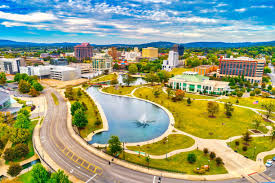
Some people would rather stay closer to restaurants, events, and a more central rhythm. For them, downtown-adjacent huntsville neighborhoods can be very appealing.
This kind of location often works well for singles, couples, and professionals who care more about centrality and convenience than about getting the biggest possible house. You may trade some square footage or yard space, but you often gain quicker access to the parts of the city that feel most active.
That does not make it the right fit for everyone.
But it does mean that if your version of where to live in Huntsville includes more city access and less suburban distance, these areas deserve a serious look.
Developing areas can be smart for buyers thinking ahead
Some movers do not want the most established part of the city.
They want the part that still feels like it is building momentum.
That is where developing and newer-growth huntsville neighborhoods come in. Huntsville’s planning and development activity shows that residential growth is still very real, and the city’s Planning Department says it works to prepare for present and future growth through responsible planning initiatives.
For buyers, that can create opportunity.
A newer area may offer more house for the money, newer construction, and a chance to buy into a part of the city that will likely continue evolving. The trade-off is that some of these areas may feel less mature right now, with fewer established patterns and a more transitional feel.
Whether that is a downside or an upside depends on what kind of move you are making.
Older established neighborhoods still matter
Even in a growing city, many movers still want neighborhoods that already feel complete.
That preference is understandable.
The City of Huntsville announced in March 2025 that its Planning Commission approved rezoning changes intended to help protect established residential neighborhoods from redevelopment pressure. The city said the move was aimed at preserving the character of existing subdivisions.
That matters for anyone researching huntsville neighborhoods.
It signals that neighborhood character is part of the local conversation, not just growth at any cost. For buyers who value consistency, long-term stability, and a more settled environment, that can be encouraging.
Budget should shape your choice, but not define it completely
Price always matters.
But the smartest neighborhood choice is rarely just the cheapest one.
The U.S. Census Bureau’s Huntsville QuickFacts page shows a median gross rent of $1,171 and a median value of owner-occupied housing units of $293,600 based on 2020 to 2024 data. It also shows a mean travel time to work of 19.7 minutes.
Those citywide numbers are useful because they give you a baseline.
Still, real neighborhood choice comes down to trade-offs. A cheaper home may cost you more in time, traffic, and inconvenience. A more expensive neighborhood may make daily life easier enough that the difference feels worth it.
That is why your budget and your routine should be evaluated together. If you want to compare the financial side more closely, our page on cost of living in Huntsville Alabama can help you think it through in a more practical way.
How to decide where to live in Huntsville
The easiest way to narrow down where to live in Huntsville is to rank your priorities honestly.
If commute matters most, start there.
If school access matters most, start there.
If you care more about a quiet residential setting, newer homes, or being closer to downtown energy, let that guide your first round of neighborhood research.
The mistake many movers make is trying to find one “best” area for everyone.
That does not really exist.
The best neighborhood for a remote worker, a defense contractor, a family with young kids, and a retiree may look completely different. Huntsville has enough variety that the smarter goal is fit, not trendiness.
If you’re planning to rent first, our guide on apartments in Huntsville AL explains what to expect from different communities and pricing structures.
One authority source worth checking
If you want one official source while comparing huntsville neighborhoods, the City of Huntsville Planning Department is a useful place to start.
It gives you a better feel for how the city is approaching growth, development, and neighborhood planning, which is especially helpful in a market that is still actively changing.
That kind of source is often more useful than relying only on broad opinion threads or generic relocation summaries.
Final thoughts on Huntsville neighborhoods
The most important thing to know about huntsville neighborhoods is that there is no single perfect answer.
Huntsville has central areas that appeal to people who want convenience, established residential pockets that feel more settled, commuter-friendly west-side options, and developing areas that may offer long-term upside. City planning, housing growth, and neighborhood-protection efforts all show that Huntsville is still evolving, but not in a random way.
That is good news for movers.
It means you have choices.
The smartest move is to match the neighborhood to your budget, commute, and daily routine. That is how this huntsville neighborhoods guide becomes useful in real life, not just interesting to read.
Choosing between Huntsville neighborhoods is not about finding a perfect area. It is about finding the one that fits your routine, budget, and lifestyle.
Before making a final decision, make sure you also understand your full moving costs, not just housing prices
Compare free moving quotes in Huntsville here and plan your move with complete clarity.
The more prepared you are before choosing a neighborhood, the easier your transition will be once you arrive.