
Buying a home in Huntsville in 2026 is one of the most important decisions for relocating buyers.
This guide explains real home prices, neighborhood differences, and what to expect from the Huntsville housing market so you can plan your move with confidence.
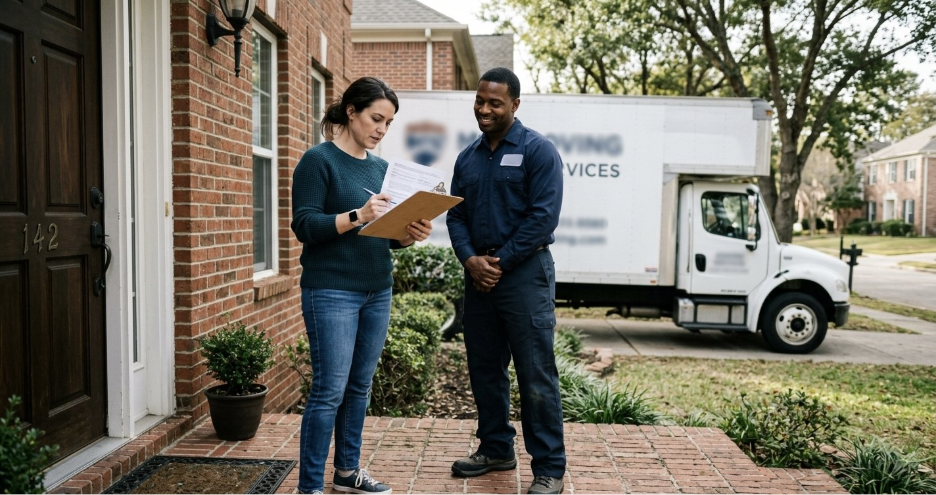
If you’re relocating, it’s also smart to compare moving costs early — you can get free moving quotes from licensed Huntsville movers in minutes.
This guide is built for people seriously considering buying in 2026. It’s market-oriented, practical, and structured so you can make a confident plan instead of guessing. If you want the main relocation hub for this project, start here: Moving to Huntsville.
The 2026 Huntsville housing market in plain English
Huntsville remains a growth-driven market. Population growth, job momentum, and ongoing development continue to support housing demand. That doesn’t mean every home sells instantly or that every price is justified, but it does mean you should approach buying with strategy rather than expecting a sleepy market.
In 2026, buyers tend to face a few realities:
- Location matters more than ever because traffic and convenience shape daily life
- Newer builds and move-in-ready homes often command a premium
- The best deals usually require flexibility: either on finishes, timing, or exact neighborhood
The good news is that a smart buyer can still find strong value by understanding price lanes and choosing a home that fits their routine.
Typical price ranges when buying a home in Huntsville (2026 planning guide)
Before buying, it’s also important to understand your full relocation cost.
Comparing moving quotes early helps you avoid overpaying and plan your budget more accurately.
Home prices vary widely based on neighborhood, school zones, lot size, build year, and finishes. These ranges are intended as a realistic planning framework for most relocating buyers, not a promise.
Entry-level and starter homes
In many markets, “starter home” means a small older home or a townhome with fewer upgrades.
Common 2026 planning range: $250,000 to $350,000
This range often includes:
- Smaller homes, older inventory, or homes needing cosmetic updates
- Some townhomes or smaller new builds in certain areas
- Neighborhoods where location is more “practical” than premium
This can be a strong lane for buyers who want to get into the market without stretching the budget, especially if they are willing to upgrade gradually.
Explore the best neighborhoods in Huntsville to find the right area for your lifestyle and commute
Mid-market family homes
This is the range most relocating families aim for because it usually balances space, neighborhood stability, and livability.
Common 2026 planning range: $350,000 to $550,000
This range often includes:
- Most standard family homes in popular residential zones
- A mix of newer builds and well-kept older homes
- Neighborhoods where day-to-day convenience is a priority
For many buyers, this is the “sweet spot” where you can get a comfortable home base without feeling like every decision is a premium upgrade.
Higher-end homes and premium locations
Higher-end in Huntsville can mean newer construction with upgrades, scenic lots, or areas where demand stays strong.
Common 2026 planning range: $550,000 to $900,000+
This lane often includes:
- Larger homes, modern builds, upgraded finishes
- Scenic areas or established premium neighborhoods
- Homes with strong “move-in ready” appeal and location-driven demand
If you’re shopping here, the biggest risk is overpaying for features you won’t actually use. The biggest advantage is buying a home that stays attractive long-term.
Prices by area: what tends to be higher and why
Instead of claiming exact medians for every neighborhood, a more reliable way to understand Huntsville is by value patterns.
review the safest neighborhoods in Huntsville before choosing where to buy
Downtown-adjacent and close-in areas
Homes closer to central Huntsville often carry a premium because convenience is valuable. Even if the home is older, the location can support long-term demand.
If you like a walk-around lifestyle, being near weekend spots like Big Spring Park can make the city feel more livable. That livability often shows up in pricing.

West Huntsville and the Research Park direction
West-side corridors are often popular with relocating professionals because commute patterns can be practical.
Demand can be steady here because it supports weekday routine. If your work is west-side oriented, this can be one of the best places to buy for quality-of-life reasons.
South Huntsville, Jones Valley, and Southeast
These areas often attract buyers who want a residential “home base” feel. You’ll see a lot of families and people who want stable routines.
In many cases, you’re paying for neighborhood comfort and day-to-day convenience, not just house size.
Hampton Cove and the east side
The east side can carry a premium depending on views, lot style, and neighborhood feel. Many buyers like the scenic surroundings.
Local touch: weekend outdoor access toward Monte Sano direction scenery can be a real lifestyle perk for residents who want nature close by.
The tradeoff can be driving time depending on where you work.
New construction vs resale: which is better in Huntsville?
This depends on your priorities.
New construction advantages
- Modern layouts and finishes
- Lower immediate maintenance
- Builder warranties
- “Easy move-in” feeling, which is valuable during relocation
New construction tradeoffs
- Premium pricing for upgrades
- Neighborhoods may feel less established early
- You might deal with ongoing construction around you
Resale advantages
- Established neighborhoods and mature landscaping
- Potentially better lots
- Sometimes more character and variety in home style
- Opportunity to negotiate if the home needs updates
Resale tradeoffs
- Older systems, potential repairs
- You may have to update gradually
- Inspection issues can surprise first-time buyers
If you’re relocating, the “right answer” is often the home that reduces friction. A slightly higher price can be worth it if it gives you a stable routine and fewer surprises during the first year.
What affects home value most in Huntsville
If you want to understand why one home is $80,000 higher than another, these are common drivers:
- Location convenience and commute comfort
- School zones and neighborhood reputation
- Build year and renovation quality
- Lot size, views, and layout
- Move-in readiness versus “project home”
- Proximity to common lifestyle hubs
In Huntsville, convenience is a real value factor. A home that makes weekdays easier often holds demand better.
How competitive is Huntsville in 2026?
Some segments move fast, especially:
- Move-in-ready homes in popular residential zones
- Homes priced well in the mid-market range
- Homes that offer a strong combination of location and condition
Other segments can be slower:
- Overpriced listings
- Homes needing significant work
- Homes in less convenient areas for the typical relocating buyer
The market is not one speed. It changes by lane.
A smart buying plan for relocating households
Relocating buyers usually do better when they follow a structured plan instead of shopping emotionally.
Step 1: Decide your commute priority
Where will you work and how often will you commute. Choose your buying search area based on your most likely routes, not just what looks nice online.
Step 2: Pick a price lane that fits real life
Don’t stretch so much that every repair becomes stressful. Remember that homeownership also includes maintenance and unexpected costs.
Step 3: Tour with a “routine lens”
Ask practical questions:
Where are the errands. How easy is this drive. Does the home layout match how we actually live.
Step 4: Be decisive when the fit is right
In a growth market, the right home can move quickly. If you find a home that fits your routine and price lane, waiting too long can cost you the opportunity.
Start with the complete guide to moving to Huntsville, Alabama
Common mistakes relocating buyers make
- Buying based on a map without test-driving the commute at real times
- Overpaying for upgrades they won’t actually use
- Underestimating the cost of maintenance and first-year expenses
- Choosing a neighborhood that doesn’t match their lifestyle pattern
- Not leaving flexibility for unexpected life changes
Relocating to Huntsville?
Many people who plan to buy a home start by understanding relocation costs and comparing moving companies.
Ready to move to Huntsville?
Compare up to 3 trusted local movers and get free quotes in under 2 minutes.
FAQs
Is 2026 a good time to buy a house in Huntsville?
Huntsville remains a growth-driven market, which can support long-term demand. Whether it’s a good time depends on your budget stability, timeline, and willingness to choose a home based on routine and location fit.
What price range should I expect for a family home in Huntsville?
Many relocating buyers focus on a mid-market lane where family homes often fall in the $350,000 to $550,000 range, depending on neighborhood and home condition.
Should I buy new construction or resale in Huntsville?
New builds offer easier move-in and lower immediate maintenance but can cost more. Resale offers established neighborhoods and variety but may require updates. The best choice depends on what reduces stress during relocation.
What’s the biggest factor to consider when buying in Huntsville?
Location and commute reality. A home that supports your daily routine often becomes the best long-term decision.
If you want help planning a relocation-friendly home search in Huntsville, we help buyers think through location fit, routine needs, and decision timing so you can shop confidently and avoid expensive mistakes. Start here: Moving to Huntsville.